Cxffeeblack × Vanderbilt University

Coffee is not
a European
discovery.
It is a 120+
species African
gift.

The first university curriculum to start there — and build everything from that truth. Three acts. Three frameworks. One argument the industry has never had to answer. Built in Memphis. Now at Vanderbilt.

Join the Waitlist

For educators, institutions, and students ready to learn what the industry was never designed to teach.

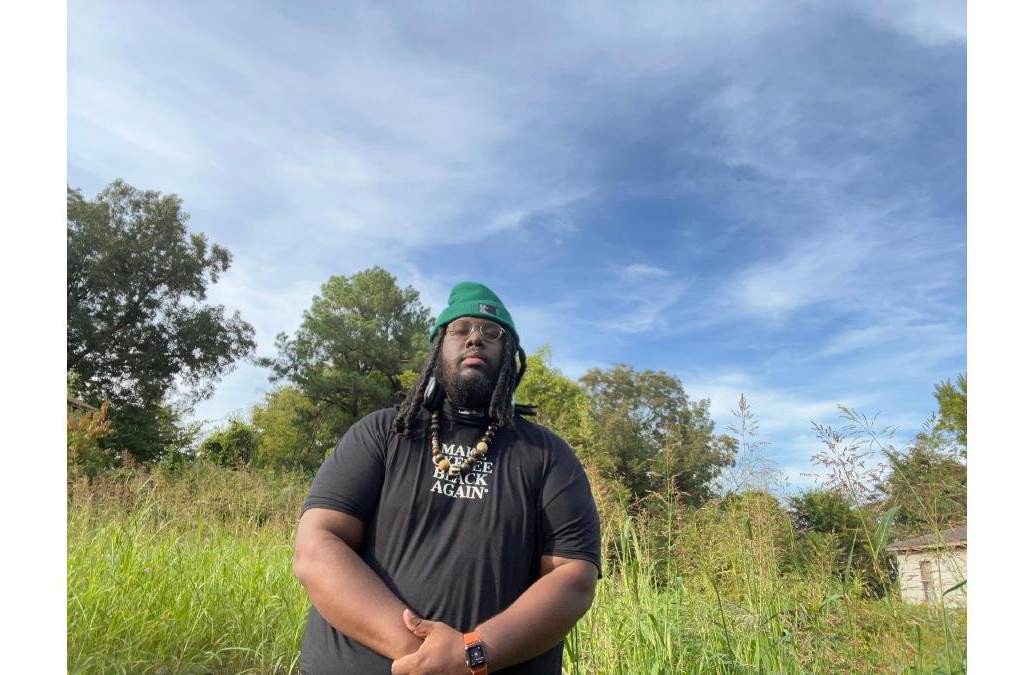
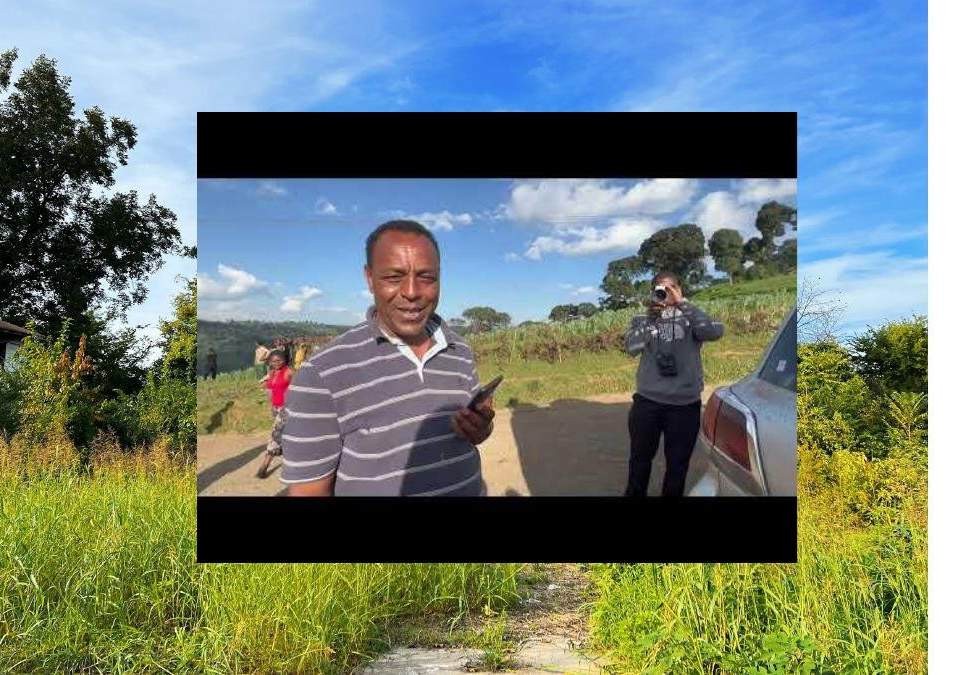
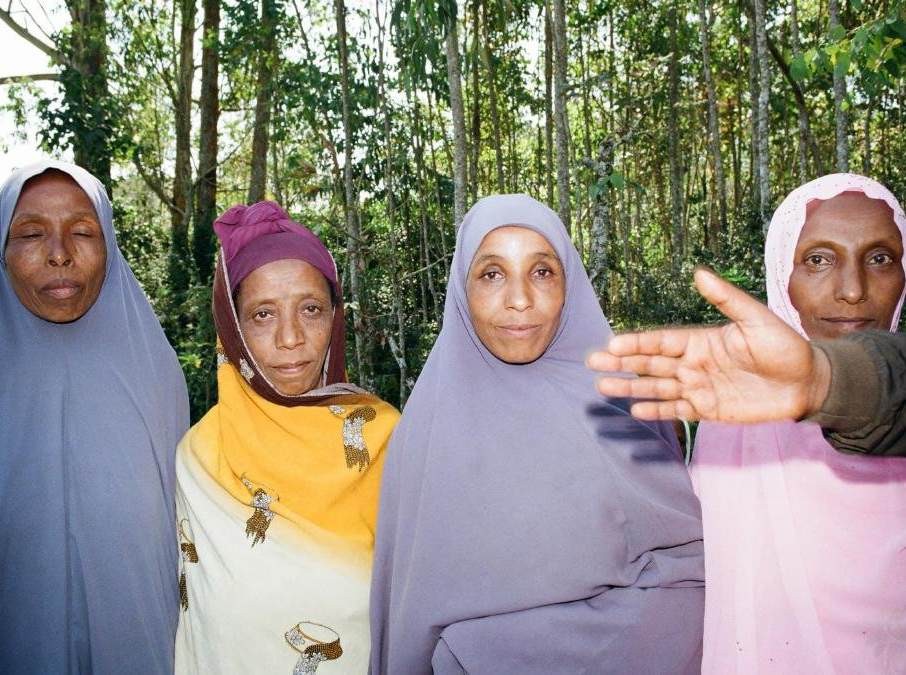
Bartholomew in Ethiopia Elders in Ethiopia
Guji Zone, Ethiopia · The Root
Elders · The Gadaa System
What would happen if we restored the original OS for human culture and agriculture?

What is a seed, but nature's sample? Like a thumb drive — all this information from the past distilled into this small piece, and you can plug it into the ground, plug it into yourself, and use that life, that energy, to propel you.

That's hip-hop. Chopping the notes of the past, to be downloaded and recontextualized in the present, as a canvas for our seeds to reimagine a new peace — a new nagaya — in the future.

That is also coffee. And that is what this curriculum teaches.

"You know in a lot of ways coffee is like hip hop... What is a seed, but nature's sample?"
— Bartholomew Jones, Cxffeeblack to the Future, 2021
I
Act I · The Root · Cite Your Samples
THE
ROOT
Coffee is not a European discovery. It is a 120+ species African gift. There is a difference.
— Before the commodity, there was the ceremony.
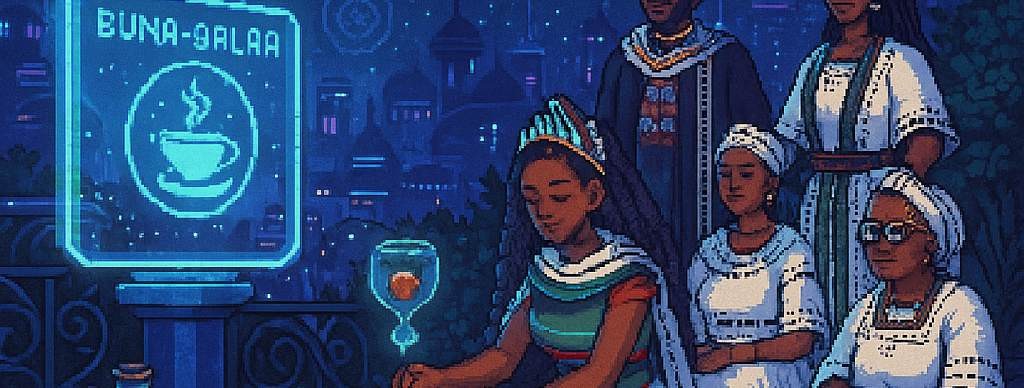
Buna-Qalaa Ceremony
Buna-Qalaa Ceremony · Ethiopia · The Origin

In the 9th century, an Oromo herder in what is now Ethiopia noticed his goats were lit. He followed them to a tree. What he found would become the most traded agricultural commodity on earth — worth $500 billion today.

But before the commodity, there was the ceremony.

The Oromo built the Buna-Qalaa around this plant — a ritual of peace. Elders used it to resolve conflict, mark births, bless transitions. The Gadaa System is one of the oldest indigenous democracies in human history. It is still practiced today. UNESCO recognizes it. Most coffee curricula do not.

The Baganda people of Uganda called their coffee Mwanyi. They didn't brew it — they wrapped the ripe cherries in banana leaves, steamed them, and gave them as a blessing to visitors. Emwanyi Z'empogola. Coffee as sacred hospitality. Coffee as welcome.

Two African peoples. Same plant. No knowledge of each other. The same conclusion:

This is not a product. This is a gift.

The Guraga people practiced anaerobic fermentation for 500 years before the industry discovered it and called it innovation. They received no credit.

The curriculum begins here. Not with a trade route. Not with a theft. With the people who held this knowledge first — and who are still holding it.

"Before coffee was traded, it was trusted. The Buna-Qalaa ceremony wasn't a transaction. It was a ritual of reconciliation, joy, and communal memory."
— Bartholomew Jones, Sampling the Root
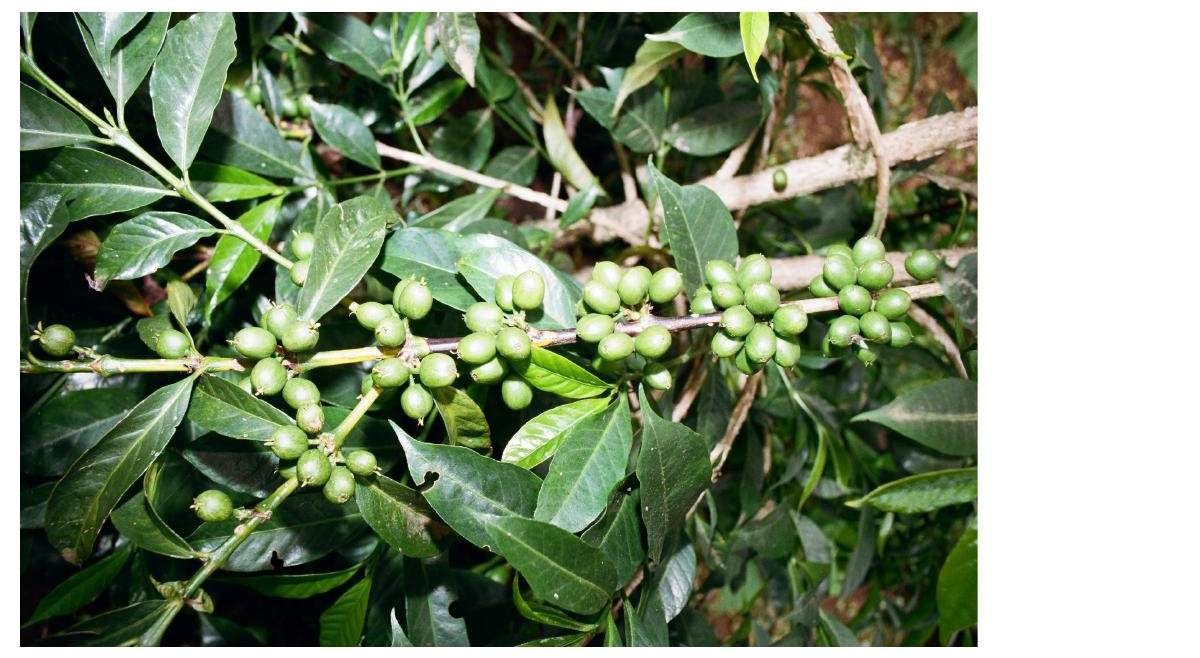
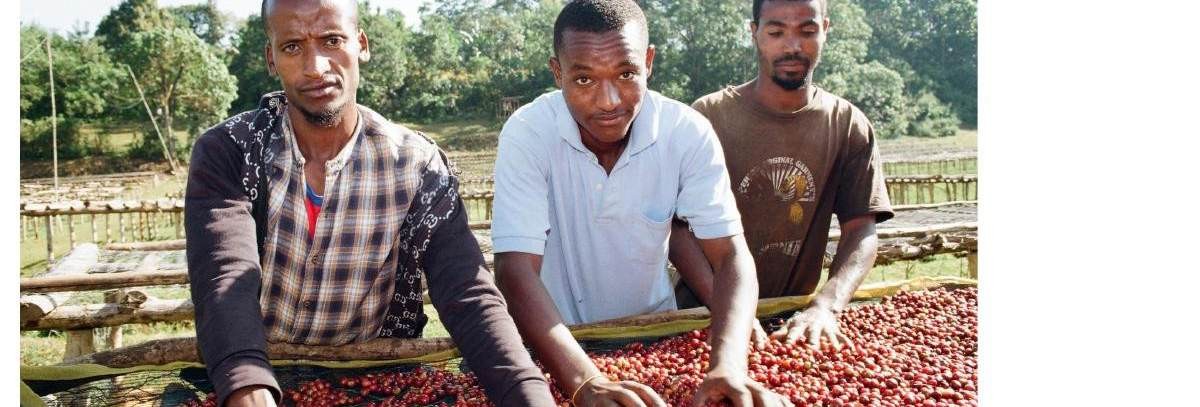
Green coffee cherries, Guji Zone Coffee drying beds, Ethiopia
Green Coffee Cherry · Guji Zone · Mother Land
Drying Beds · Ethiopia · 500 Years of Fermentation
Act I · Interlude · Ethiopia → Yemen → Turkey
THE
FRATERNITY
Before coffee was stolen, it was shared.
— What growth looks like when the cypher is honored instead of interrupted.

Coffee was already international before it ever got to Belgium. It crossed the Red Sea the right way first — as a gift between neighbors, not a commodity between strangers. Like most Ethiopian folks I've met love folks in Yemen and vice versa. The plant moved with that love.

In Yemen, Sufi mystics in the 15th century took the Oromo's sacred stimulant and folded it into their own devotional practice — drinking qahwa through the night to stay awake for prayer. It moved through the Abrahamic faith world the way a sample moves through a cypher: passed hand to hand, credited in the drinking of it, flipped inside each tradition without erasing the one before. From Mocha to Mecca to Medina to Cairo to Istanbul. The first coffeehouses — qahveh khaneh — opened in Ottoman Turkey in 1554.

They were called schools of the wise.

The fraternity was the distribution network. Faith was the infrastructure. The root was never hidden.

That is the model. That is how growth was supposed to grow.

"Coffee was already international before it got to Belgium."
— Propaganda

Hip Hop is the clearest example we have of the other path — of what it looks like when the sample actually gets credited as it travels. Something with Black roots that quickly became a rainbow coalition while still holding room for the root. And it's doper because of the ways folks flip the sample within their own culture — reggaeton, grime, afrobeats, K-hip-hop, drill in every borough on earth. Each one is a new track that still names the original record.

Elvis is the counter-example. Elvis is what happens when the sample gets scrubbed. When a white artist becomes the face of a Black form and the Black form gets called his. Europe did Elvis to coffee three hundred years before Elvis was born. When Europe later learned coffee had other African species — robusta, liberica, stenophylla — there was no interest in correcting the record. The cypher had already been honored for seven hundred years across the Muslim world. Europe showed up at the end and printed its own name on the sleeve.

Yemen was the remix that kept the credit. Europe was the cover song that buried it.

The curriculum teaches students to tell the difference — and to build like the fraternity, not like the empire.

II
Act II · The Interruption · Interrupting the Cypher
THE
INTER­RUPTION
In 1616, coffee was stolen from Africa. In 1619, people were. Same ships. Same logic. Three years apart.
— Bartholomew Jones
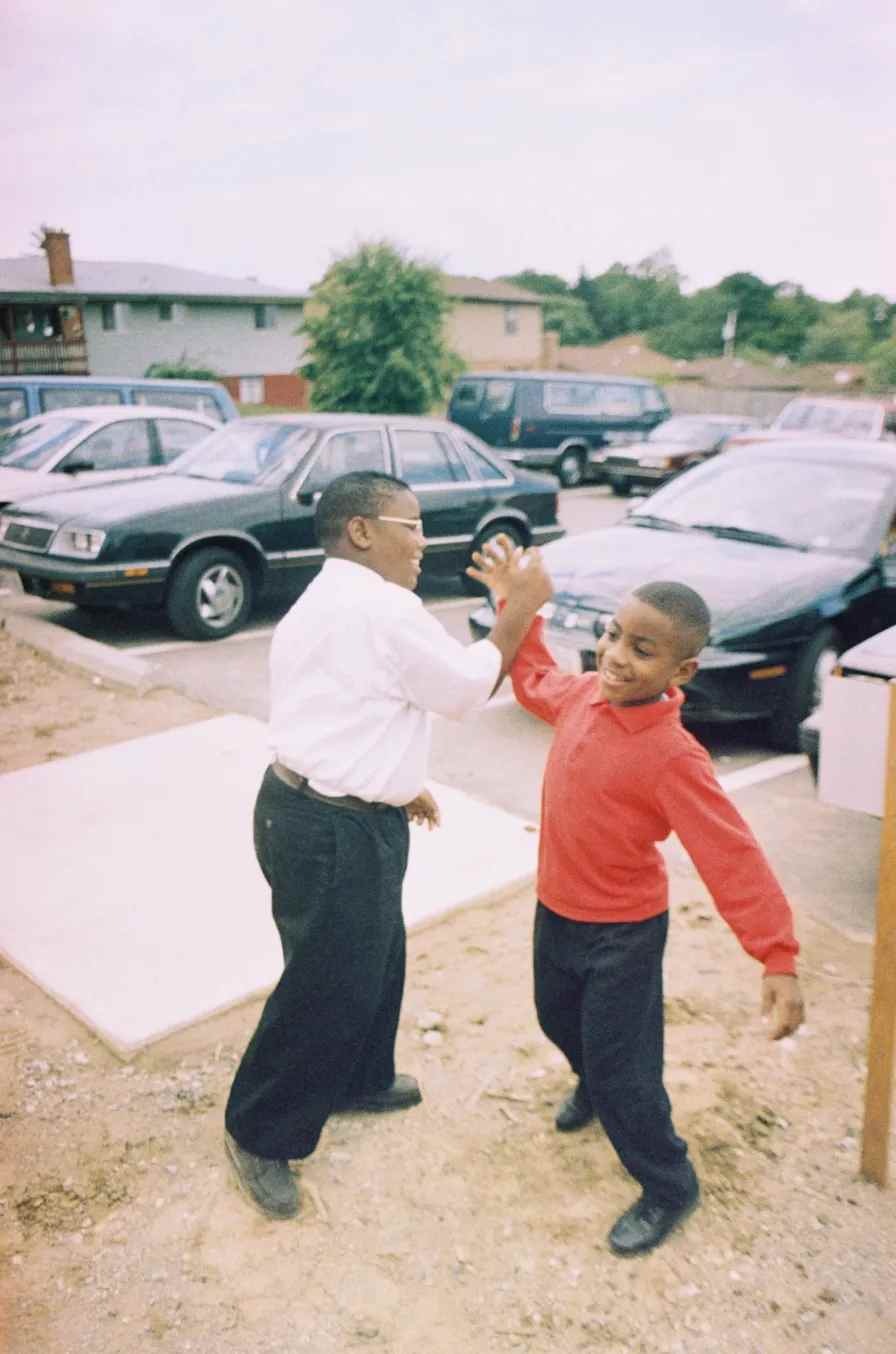
South Memphis, Tennessee
South Memphis, Tennessee · Father's Land · The Lot
Slavery has always been the model for scale.

The coffee supply chain and the transatlantic slave trade are not parallel histories. They are the same history. The entire word java — the casual shorthand you've used a thousand times — is the only trace left of that atrocity. A colonial crime compressed into slang.

Colonialism didn't invent a new economic system. It perfected an existing one: take the source material, erase the origin, extract the value at scale, repeat. The Caribbean plantation economies of Haiti, Jamaica, and Martinique. The 1.5 million enslaved people who built Brazil's coffee empire. The British Crown Lands Ordinance of 1902 that seized Kenyan land and prohibited indigenous farmers from growing coffee on it.

The Haitian Revolution of 1791 — the most economically significant act of Black liberation in coffee history — happened on a coffee island producing half the world's supply. It is not in most curricula.

In 1960, four Black students sat down at a Woolworth's lunch counter and asked for a cup of coffee. They were refused. They did not leave. The coffee counter has always been a site of contested belonging.

"Coffee was spread by force and not by faith, and because of this we often miss the essence of its meaning — more human, more righteous, and less transactionally consumer-oriented."
— Bartholomew Jones

We name the interruption because naming it is necessary. We do not center it — because the people who maintained the cypher before the theft, through it, and beyond it are the story.

The $500B Mirror
$500B
Global coffee
industry value
<1%
Returns to coffee's
first farmers
$500B
Foreign aid sent
back to origin
It is not charity. It is evidence.
What was taken, who took it, and what did it cost — in dollars, in knowledge, in dignity?
III
Act III · The Remix · De-Gentrify Your Coffee
THE
REMIX
Hip Hop is an agricultural product. And so are we.
— The future isn't being invented. It's being remembered.
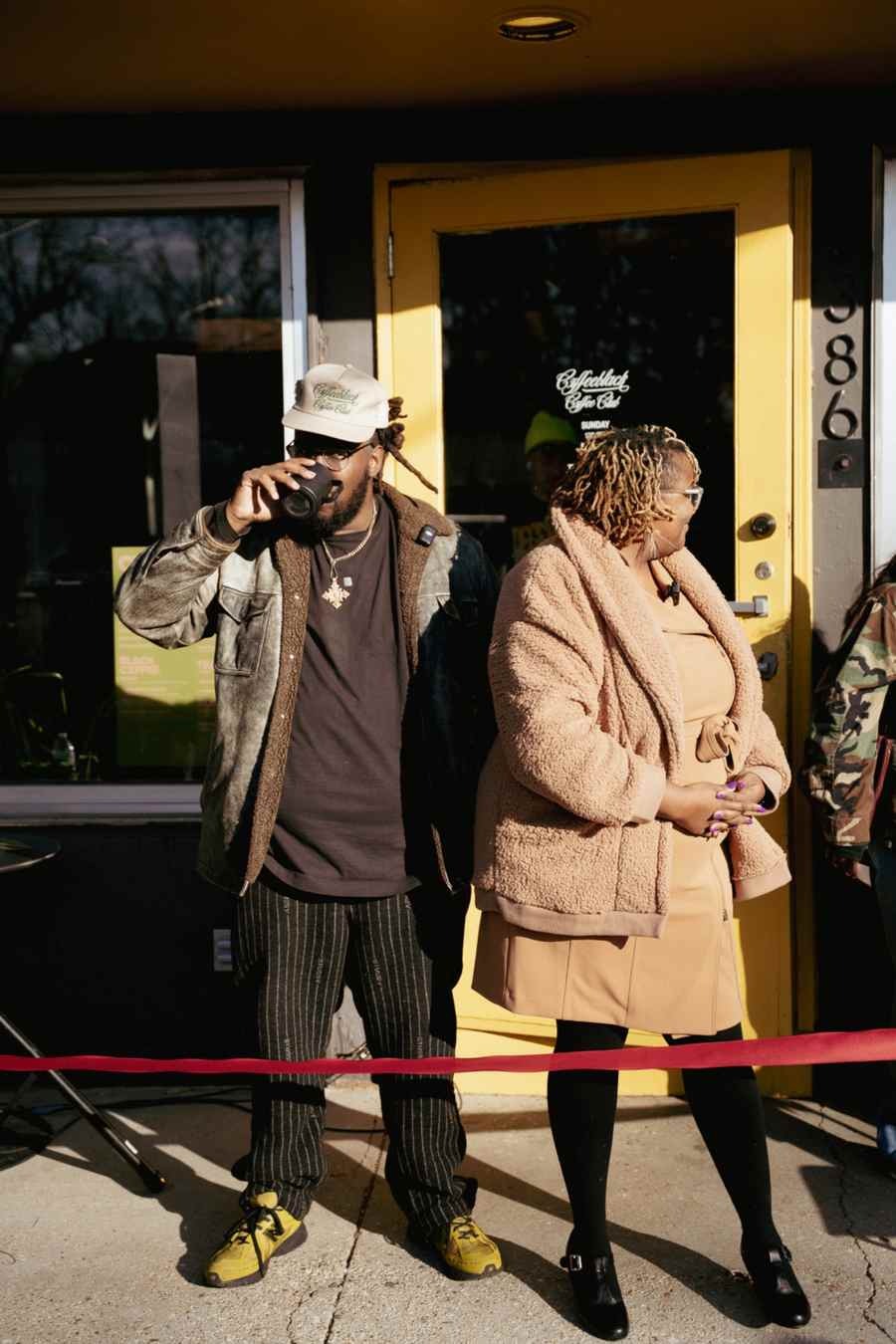
Anti-Gentrification Cxffee Club Jookin, Memphis
Anti-Gentrification Cxffee Club · 3386 Bowen Avenue
Jookin · Memphis, Tennessee

Hip Hop culture grew out of enslaved people's strained relationship with stained seeds from the soil. So has coffee. The question the curriculum lives in is: what would happen if we remix our relationship with the ground — and the business models we build because of it?

The commodity market has always run north. Knowledge, labor, flavor — all of it extracted from the South and renamed somewhere else. Cxffeeblack is running the supply chain in a different direction. The South talking directly to the South.

J DILLA MEETS DJ PAUL
Find the original record. Honor it. Flip it into something new that carries the DNA forward.
The Dilla Move — Humanize the beat. Name the source.
Source directly from the Oromo people. Credit the Gadaa System. Name Ture Waji. Embed the Buna-Qalaa ceremony in the curriculum. Don't rename the original — bring it forward with its name intact.
The DJ Paul Move — Root it in the geography.
Open the Anti-Gentrification Cxffee Club on Bowen Avenue. Don't move to a neighborhood that feels more comfortable. Make the world come to South Memphis. The geography is the statement.
De Sur a Sur — The supply chain as a sample flip.
South Memphis → South Ethiopia → South Colombia. Three Souths in direct conversation. Taking the original record — the knowledge, the labor, the land — and crediting it on the new track.

The curriculum's third act teaches students to design their own sample flip — then build it.

"If the communities who stewarded coffee for centuries were centered in imagining its future, what would that future look like?"
— Cxffeeblack Academic Curriculum, Act III
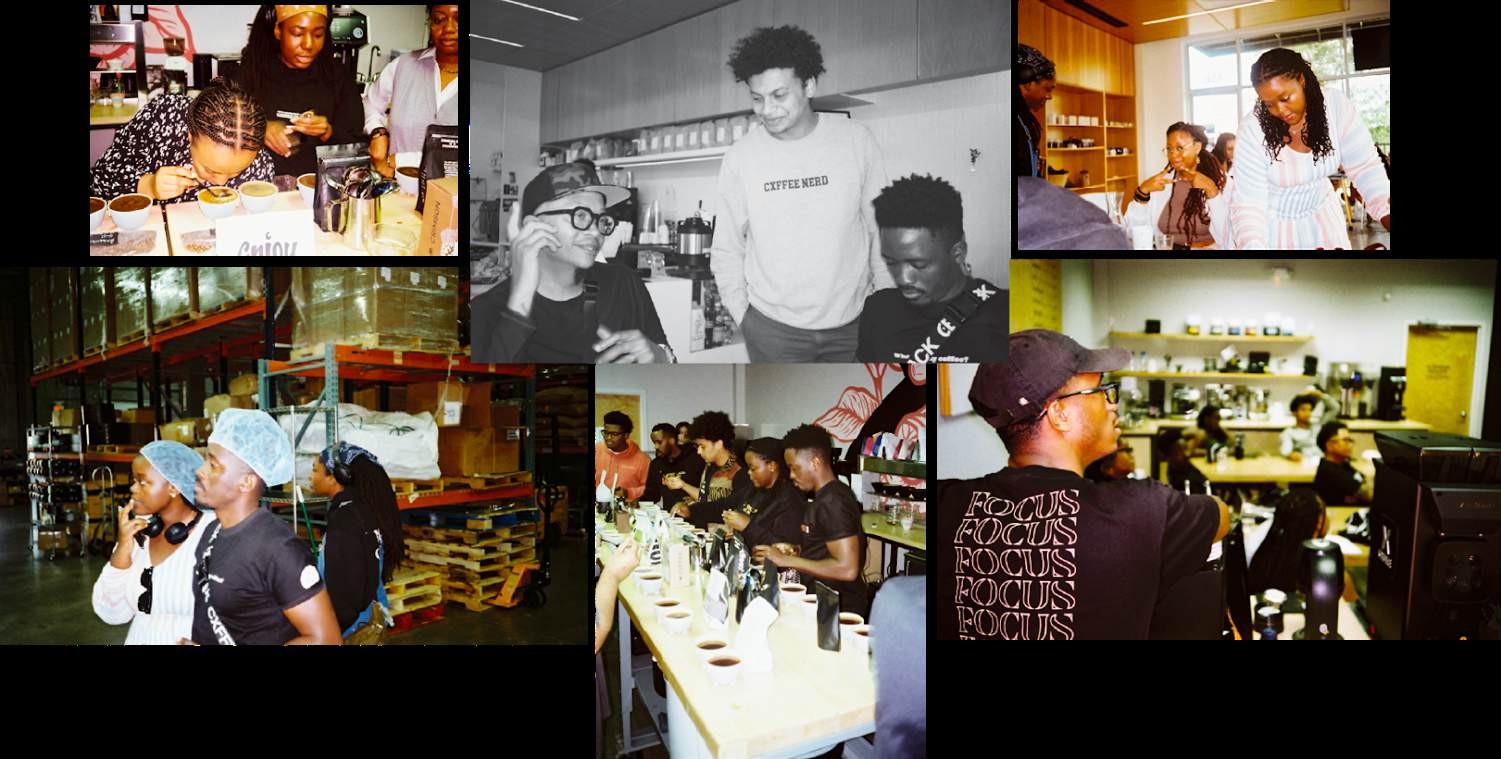
Barista Exchange Fellows
Barista Exchange · De Sur a Sur · The Supply Chain Running South
One Supply Chain · De Sur a Sur
THE COMMODITY MARKET FLOWS NORTH.
CXFFEEBLACK FLOWS SOUTH-TO-SOUTH.
01
South Memphis
Memphis, Tennessee
The Lot
3386 Bowen Avenue. Where the Anti-Gentrification Cxffee Club stands. The proof of concept for everything the curriculum describes. The geography is the statement.
02
Guji Zone
Ethiopia
The Root
Where coffee began. The Oromo people. The Buna-Qalaa ceremony. The Gadaa System. 120+ species. The original record — still playing.
03
El Tambo
Colombia
The Portal
The Dulcey family. Fifty years of farming. Extraordinary coffees the world outside their valley didn't know. When Bartholomew told Mario he wanted their children to sell coffee to each other, Mario thought of Maya Angelou: "We are the wildest dream of our ancestors."
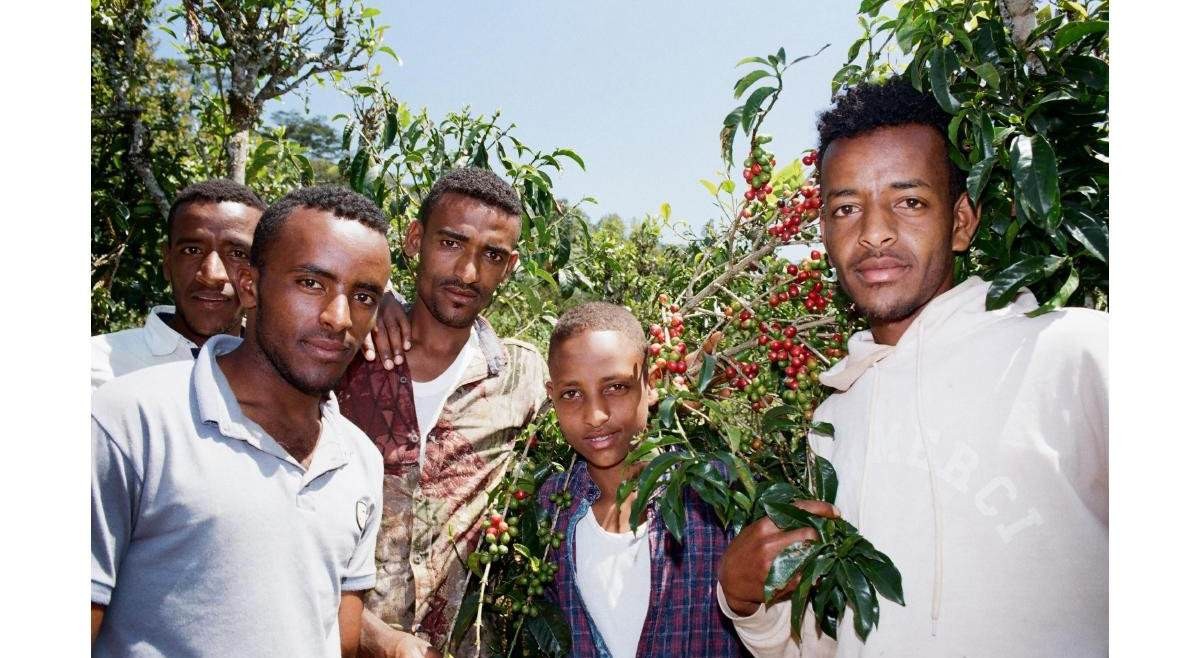
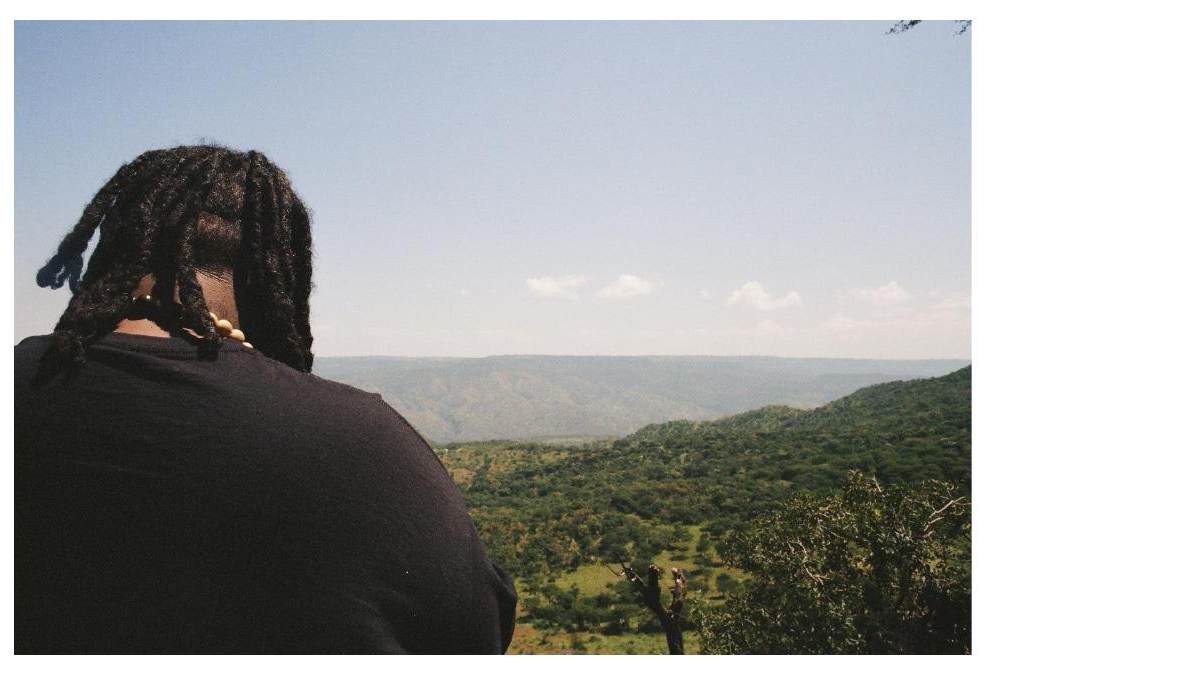
Coffee farmers, De Sur a Sur Guji Zone landscape, Ethiopia
Coffee Farmers · De Sur a Sur
Guji Zone Landscape · Ethiopia · Mother Land
How We Teach It
THREE FRAMEWORKS.
NEVER REMOVED.
ALWAYS RUNNING SIMULTANEOUSLY.
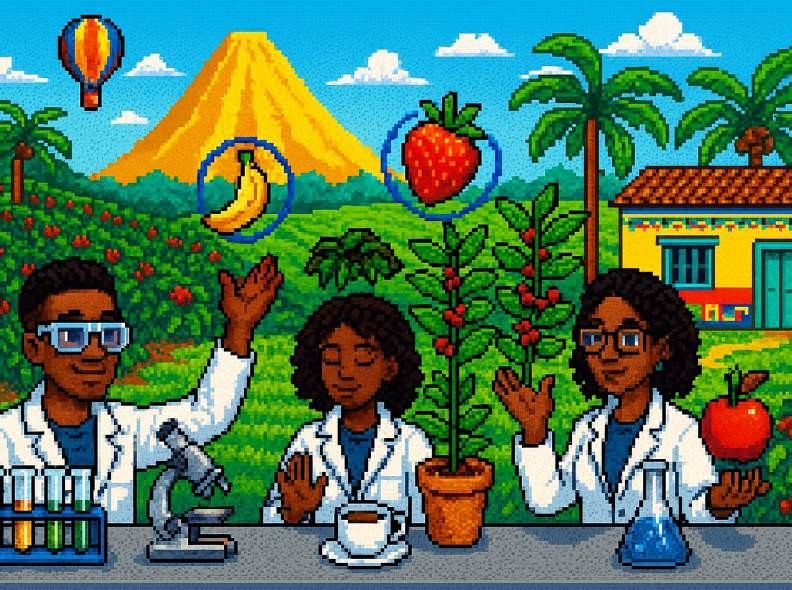
Divine Sampling Theory
Black cultural and agricultural knowledge is not lost. It is recoverable. The Guraga's fermentation. The Gadaa System's land governance. Coffea stenophylla, rediscovered growing wild in Sierra Leone in 2018 after 150 years of erasure. The sample is still in the crate. Divine Sampling Theory teaches students how to find it, credit it, and build something new from it.
Hip-Hop Pedagogy
The cypher is the classroom. The sample is the research method. What is a seed, but nature's sample? Students don't receive coffee history. They contribute to a live cypher that has been running since the 9th century.
Afrofuturism
Connecting with the past to reimagine the future based on our shared present — not equity, not role reservation, but a wholesale reimagination outside the context of centered trauma or whiteness. What does coffee look like when the Gadaa System is the design brief? When Mwanyi is the hospitality model? When Coffea stenophylla is the agricultural future?
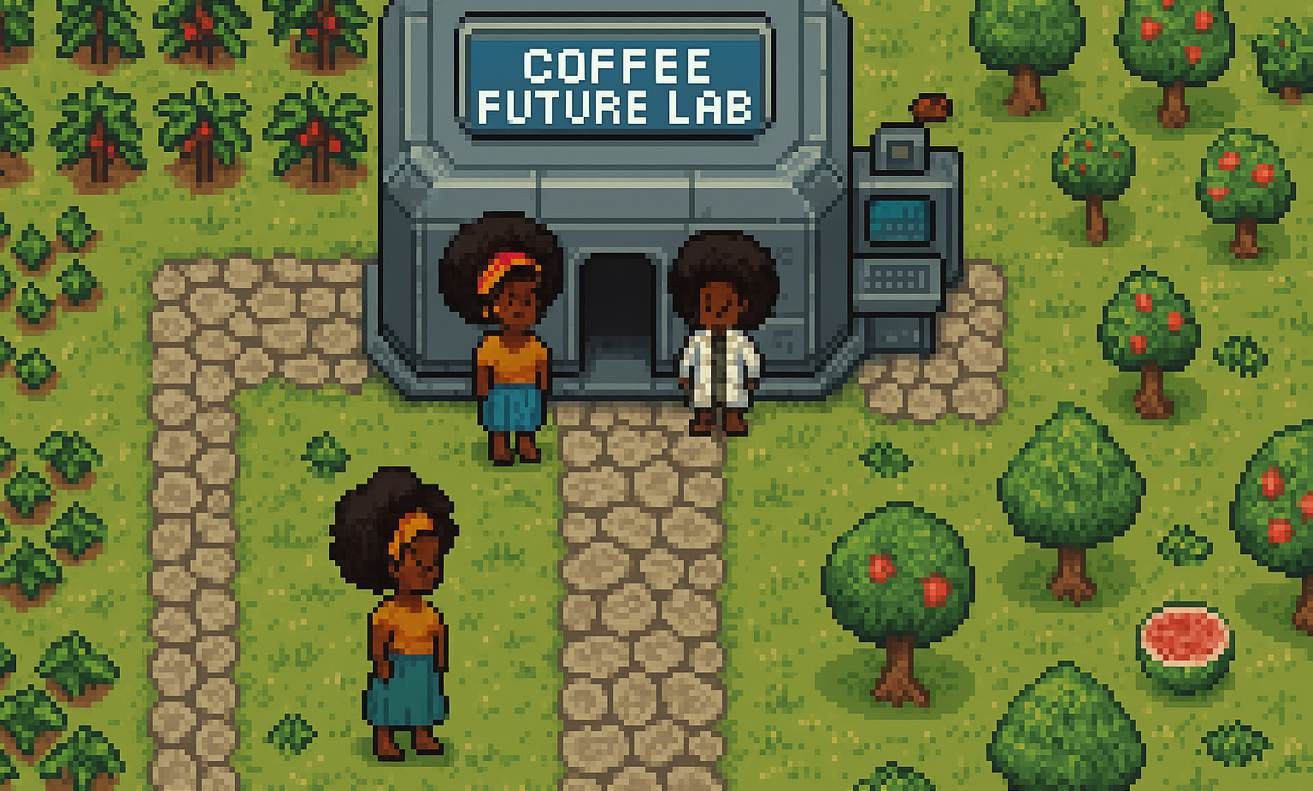
The Future Lab
The Future Lab · Where the Frameworks Live
How Students Are Evaluated
KNOWLEDGE, ECONOMICS, AND CULTURE
CAN'T BE SEPARATED.
SO WE DON'T TRY.
The Root: What did God put here before anyone commodified it — and how do you carry it forward?
The Interruption: What was taken, who took it, and what did it cost — in dollars, in knowledge, in dignity?
The Remix: What are you building — and who does it restore?
Coffee Making
Making coffee as testimony, not beverage
📈
Business Modeling
Auditing supply chains as power structures
🎨
Art
Original work that names specific moments, credits specific people, proposes specific futures

The capstone — The Project Drop — is presented to a live audience that includes at least one community member who is not an academic. Because the remix only counts if the room can hear it.

Why Cxffeeblack
BUILT IN MEMPHIS.
NOW AT VANDERBILT.
READY FOR YOUR INSTITUTION.

Bartholomew Jones is a rapper from Memphis, Tennessee. He is also a published scholar, a coffee anthropologist, and as of March 2026, a visiting scholar at Vanderbilt University's College of Arts and Letters.

He co-authored Sampling Black Cxffee with Vanderbilt Professor Kosta Kallivrousis and Dr. Ted Fischer. He delivered a TEDx Memphis talk in 2024. He is the founder of the Anti-Gentrification Cxffee Club — 3386 Bowen Avenue, Memphis — the proof of concept for everything the curriculum describes.

120+
African coffee species.
The industry acknowledges two.
500
Years of Guraga fermentation
before the industry called it innovation
$500B
The industry built on a cypher
it never credited
3386
Bowen Avenue.
Where the Remix is being built.
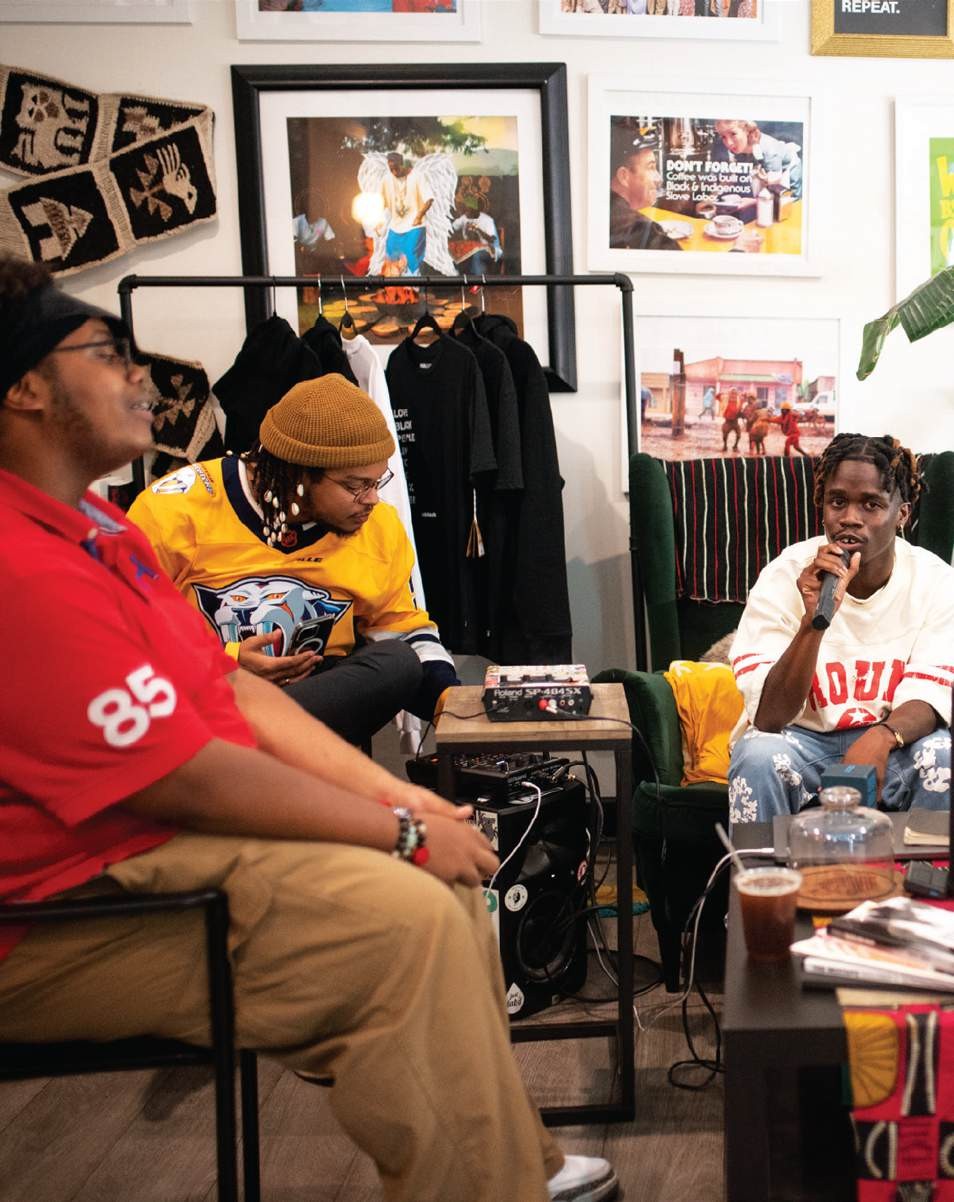
Vanderbilt Dialogue
Vanderbilt University · The Curriculum in Conversation
What does your institution do with this?

The Cxffeeblack Academic Arm is in active development as a full course offering, executive education module, and community workshop track — with Vanderbilt as the anchor institution.

Sample-based remix models scale when institutions recognize them. When buyers, researchers, and capital holders understand that the supply chain running south-to-south is not a charity model — it is the most direct path to the knowledge the industry has been sampling for free.

We are seeking academic partners, department sponsors, and institutional funders who want to be part of building the first permanent home for this work in higher education.

Research and Collaboration
Research & Collaboration · The Academic Arm
Join the Cypher
THE FUTURE ISN'T BEING INVENTED.
IT'S BEING REMEMBERED.
ARE WE LISTENING?
The original record was already playing.
Buna fi nagaaya hin dhabina. May the peace of God be on your house and in your cup.